
Chinese New Year (Spring Festival)
Dates, business impact, and practical planning for overseas companies working with China.
Chinese New Year is the biggest annual shutdown period for factories, logistics, and many business teams in China.
What is Chinese New Year?
Chinese New Year (also called the Spring Festival) marks the start of the new year in the Chinese lunisolar calendar. It is a family-focused national holiday and the largest annual migration period in China.
For business, the main issue is operational disruption: factories slow down, shipping capacity tightens, and many teams take extended leave.
Chinese years
Chinese New Year day falls on a different Gregorian date each year.
| Year | Chinese New Year day | Chinese year sign |
|---|---|---|
| 2025 | 29 January 2026 | Snake |
| 2026 | 17 February 2026 | Horse |
| 2027 | 6 February 2027 | Goat |
| 2028 | 26 January 2028 | Monkey |
| 2029 | 13 February 2029 | Chicken |
| 2030 | 2 February 2030 | Dog |
| 2031 | 23 January 2031 | Pig |
| 2032 | 11 February 2032 | Rat |
| 2033 | 31 January 2033 | Horse |
| 2034 | 19 February 2034 | Tigger |
| 2035 | 08 February 2035 | Rabbit |
| 2036 | 28 January 2036 | Dragon |
Business impact: what changes
- Factories: early cut-offs for production, slower output, quality risk during ramp-down and ramp-up.
- Logistics: tighter capacity, higher rates, delays at ports and consolidation hubs.
- Office teams: decision-makers on leave, slower approvals, reduced support response times.
- Cashflow: suppliers may request earlier deposits; buyers may pause purchasing.
Planning timeline (simple model)
- 8–10 weeks before: confirm production plan, lock packaging/artwork, approve samples.
- 6–8 weeks before: book freight options, confirm warehouse space, finalise promotional plans.
- 4–6 weeks before: place final orders, confirm cut-off dates with suppliers and forwarders.
- 2–4 weeks before: expect “last shipments” and reduced responsiveness; focus on urgent priorities only.
- 2–3 weeks after: gradual restart; plan for backlog and slower ramp-up.
Opportunities: marketing and relationship building
- Send New Year greetings to suppliers and partners (respectful, short, and timely).
- Plan China-facing campaigns that match seasonal behaviour (gifting, family, travel).
- Update your customer support plan if you sell to China (expected delivery and response times).
China public holiday window
China’s official Spring Festival holiday typically covers around one week, but the real business disruption is longer due to travel and factory re-staffing.
For 2026, China’s official holiday schedule lists Spring Festival leave across mid‑February, but operational impact commonly starts earlier and ends later.
Need help planning your China timeline?
If you want help mapping a realistic schedule for procurement, website readiness, logistics, or platform launches, contact us and we’ll suggest a practical plan.
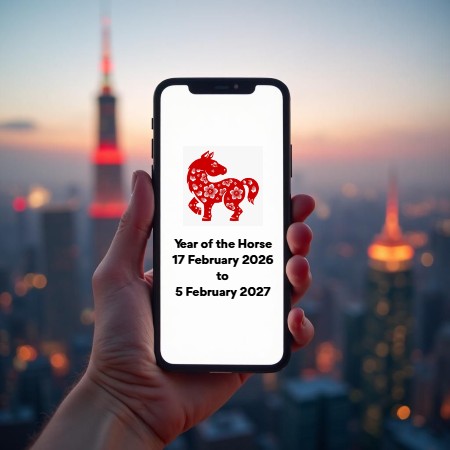
Use this checklist to avoid last-minute disruption.
Quick checklist
Use these checks to keep trust and usability high.
- Ask each supplier for their real cut-off date (production + freight).
- Build buffer time for approvals and rework.
- Move critical shipments earlier than you think you need to.
- Confirm stock levels for February–March sales and returns.
- Plan customer messaging about shipping times (especially cross-border).
- Schedule marketing assets and translations before the slowdown.
Need help?
If you want a China-ready timeline for trading, platforms, or website performance, contact This email address is being protected from spambots. You need JavaScript enabled to view it..